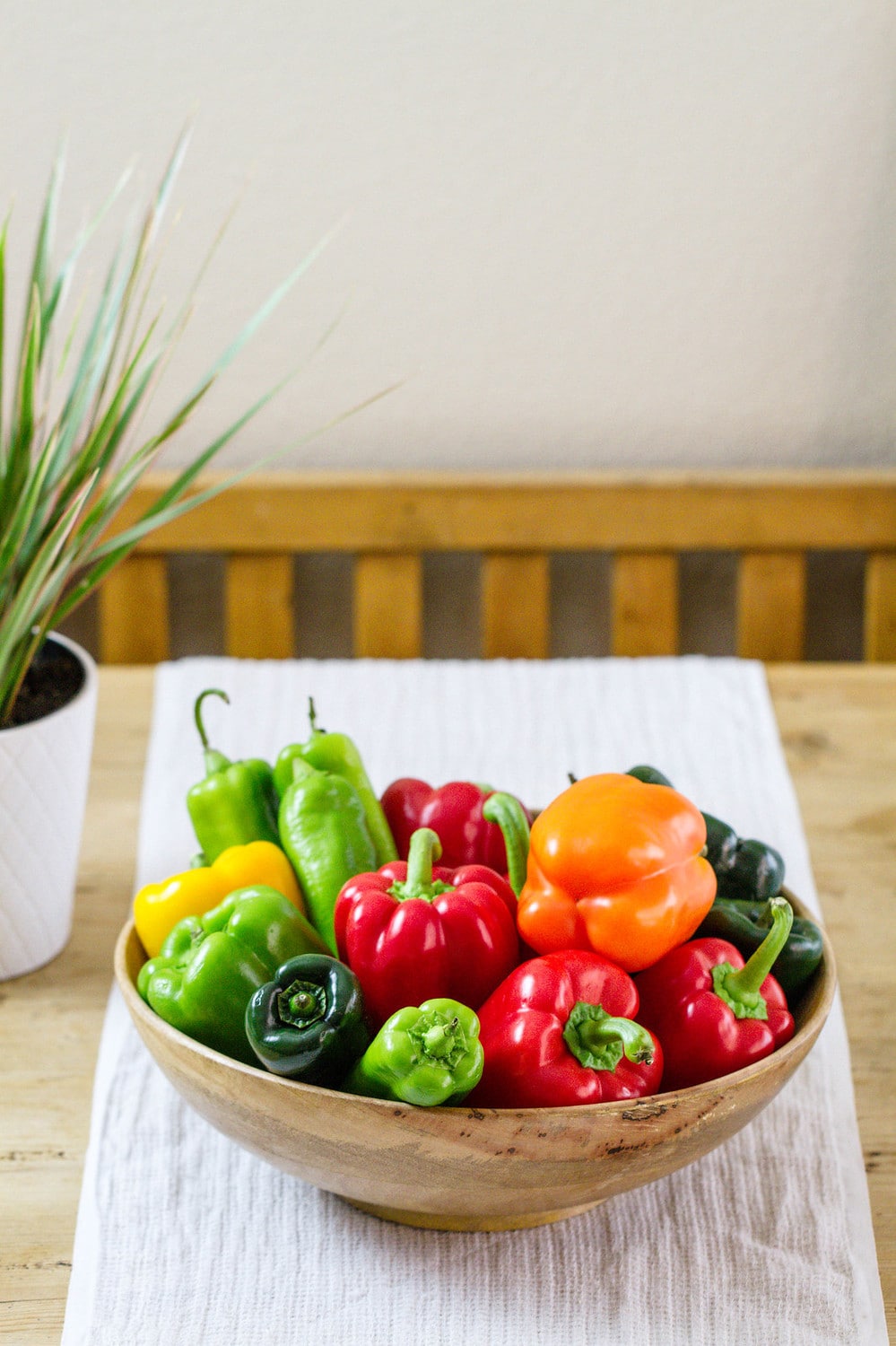
Why Roast Peppers? Unlocking a World of Irresistible Flavor
Imagine a humble raw pepper, crisp and vibrant, packed with vitamins but with a subtle green bite. Now, picture that same pepper transformed – its skin blistered and charred, its flesh tender and sweet, imbued with a smoky depth that elevates any dish. This isn't magic; it's the culinary alchemy of roasting. If you've ever wondered
how to roast peppers to unlock their full potential, you're in the right place.
Roasting peppers is more than just cooking; it's a flavor revelation. The high heat caramelizes their natural sugars, intensifying their sweetness and complexity, while imparting a delightful smoky essence that raw peppers simply can't offer. This process also softens their texture beautifully, making the skin effortless to remove – a crucial step for many gourmet applications. From vibrant red bell peppers to sunny yellow and even hearty green varieties, all benefit immensely from this treatment. Whether you're dealing with a bountiful harvest from your garden or simply seeking to add a gourmet touch to your meals, roasted peppers are an invaluable addition to your culinary repertoire. They’re perfect for creating rich dips, enhancing salads, starring as a standalone side, or elevating pasta, sauces, and power bowls. The journey from crisp raw fruit to tender, smoky sweetness is surprisingly simple, and we're about to explore four easy ways to achieve irresistible flavor right in your own kitchen.
Prepping Your Peppers: The Essential First Step
Before you dive into the delightful process of roasting, proper preparation is key. While the methods for
how to roast peppers vary, the initial cleaning and coring steps remain consistent across the board. Skipping this crucial stage can result in bitter seeds lingering in your finished product or an unpleasant stem interfering with your culinary creations.
Begin by thoroughly washing your peppers under cool running water. This removes any dirt or residue from the skin. Next comes the task of deseeding and coring. For larger bell peppers, the process is quite straightforward:
1.
Cut around the stem: Place the pepper on a cutting board. Using a sharp knife, cut a circle around the top of the stem.
2.
Twist and pull: Gently twist and pull the stem upwards. Most of the seeds and the inner white membrane (the pith) should come out attached to the core.
3.
Remove stragglers: If any seeds remain, invert the pepper and tap it firmly on the cutting board a few times. You can also use your fingers or a small spoon to scrape out any stubborn bits.
For smaller or oddly shaped peppers, a slightly different approach works best:
1.
Slice off the top: Cut horizontally across the top of the pepper, just below the stem.
2.
Core with your knife: Carefully insert your knife around the inside of the pepper, circling the core and seeds. Twist and pull out the core, similar to a bell pepper.
3.
Tap out seeds: Again, a few taps on the cutting board with the opening facing down will dislodge any lingering seeds.
Ensuring your peppers are clean and free of seeds and pith will guarantee the sweetest, most delicious results, preparing them perfectly for any of the roasting methods to come.
The 4 Easy Ways to Roast Peppers
Whether you have access to a full kitchen, a grill, or just a stovetop, there’s a method for
how to roast peppers that suits your equipment and time constraints. Each technique brings out unique characteristics in the peppers, from deep char to gentle caramelization.
Method 1: Roasting Peppers Whole in the Oven (No Oil)
This classic method is perfect for achieving that iconic blistered skin and tender, smoky flesh. It requires minimal active participation, allowing the oven to do most of the work.
1.
Placement: Place your whole, cored peppers directly onto the oven rack. For optimal results and to catch any juices, position a large baking pan filled with a shallow layer of water on the bottom rack of your oven. This creates a steamy environment that helps the peppers cook thoroughly and keeps your oven clean.
2.
Temperature: Preheat your oven to a robust 200°C (400°F).
3.
Roast Time: Roast for approximately 30 to 40 minutes. Keep a close eye on them; you're looking for the skin to become deeply wrinkled and to develop significant black spots and blisters. This charring is essential for flavor and easy peeling.
4.
Pro Tip: If you're roasting particularly small peppers that might slip through the grates, you can line the oven rack with parchment paper.
This method yields beautifully tender peppers with a lovely smoky char, ideal for subsequent peeling.
Method 2: Roasting Peppers Halved in the Oven (With Oil)
For a slightly faster approach that results in beautifully caramelized edges and a softer texture, roasting peppers halved with a touch of oil is an excellent choice.
1.
Preparation: After coring, cut your peppers in half lengthwise.
2.
Season and Oil: In a bowl, toss the pepper halves with a generous drizzle of olive oil and a pinch of salt. The oil helps with even browning and adds to the richness of the flavor.
3.
Arrangement: Spread the seasoned pepper halves in a single layer on a baking sheet. Avoid overcrowding, as this can steam the peppers instead of roasting them.
4.
Temperature: Preheat your oven to 200°C (400°F).
5.
Roast Time: Bake for about 25-35 minutes, turning the peppers halfway through. Continue roasting until they are fork-tender and beautifully browned, with some crispy, caramelized edges.
This method delivers peppers that are sweet, slightly crispy on the edges, and perfect for incorporating into salads or as a side dish.
Method 3: Roasting Peppers on the Grill
If you love a pronounced smoky flavor and have access to an outdoor grill, this method is hard to beat. Grilling infuses peppers with a unique char that's difficult to replicate indoors.
1.
Preparation: Core and halve your peppers. For an even more intense char, you can even grill them whole after coring.
2.
Season and Oil: Lightly coat the peppers with olive oil and a sprinkle of salt.
3.
Grill Setup: Preheat your grill to medium-high heat. You can use direct heat for quicker charring or a combination of direct and indirect heat for more controlled cooking.
4.
Grill Time: Place the peppers directly on the grates. Grill for 5-10 minutes per side (or longer for whole peppers), turning frequently with tongs until the skin is blistered and charred, and the flesh is tender. Be vigilant to prevent them from burning completely.
Grilled peppers offer an unparalleled depth of smoky flavor, making them fantastic for dips and robust salads. For more ways to master this technique, check out
Master Roasting Peppers: Deepen Flavor for Dips & Salads.
Method 4: Quickly Roasting Peppers in a Pan on the Stove
For those times when you need roasted peppers in a flash, or if you don't want to turn on the oven or light the grill, the stovetop pan method is your best friend. This technique is particularly good for smaller batches or when you want to use them in a stir-fry or quick sauce.
1.
Preparation: Core your peppers and slice them into strips or halve them.
2.
Heat the Pan: Heat a heavy-bottomed pan (cast iron works exceptionally well for this) over medium-high heat. Add a tablespoon or two of olive oil.
3.
Sear and Soften: Once the oil is shimmering, add the pepper pieces in a single layer. Cook for 5-7 minutes, stirring occasionally, until they begin to soften and develop charred spots.
4.
Steam to Finish: For an even softer texture, you can cover the pan for a few minutes towards the end of cooking to allow the peppers to steam slightly in their own juices. Continue cooking until they reach your desired tenderness and char level.
This speedy method provides beautifully softened peppers with lovely caramelized bits, perfect for immediate use in a variety of dishes. To ensure you
Roast Peppers Perfectly: Oven, Grill, or Stove Top for Sweetness, always keep an eye on the char level.
After Roasting: Peeling and Storing Your Flavorful Harvest
Once your peppers are beautifully roasted, the process isn't quite finished – at least not if you want to enjoy their silky-smooth flesh without the slightly tough skin. Peeling is often desired for an optimal culinary experience, especially in dips and sauces, and proper storage ensures you can savor your flavorful harvest for days or even months.
The Art of Peeling Roasted Peppers
The key to easily peeling roasted peppers lies in creating steam immediately after they come off the heat. This steam separates the skin from the flesh, making it a breeze to remove.
1.
Steam Them: As soon as your peppers are done roasting (from any of the methods above), transfer them to a heatproof bowl. Cover the bowl tightly with plastic wrap, a plate, or even a clean kitchen towel. Alternatively, you can place them in a paper bag and seal it. Let them sit for 10-20 minutes.
2.
Cool Down: Allow the peppers to cool sufficiently so you can handle them comfortably.
3.
Peel with Ease: Once cooled, the skin should practically slide off. Gently pull or rub the skin away. Don't worry if a few small charred bits remain – they often add to the flavor! At this stage, also remove any remaining seeds or stem parts.
Storing Your Roasted Peppers
With your peppers peeled and cleaned, you now have a versatile ingredient ready for use. Proper storage is essential to maintain their quality and flavor.
*
Refrigeration: Place the peeled and deseeded roasted peppers in an airtight container in the refrigerator. They will stay fresh for up to 5-7 days. For extended freshness and an extra layer of flavor, you can cover them with olive oil. This also makes them ideal for antipasto platters.
*
Freezing: Roasted peppers freeze exceptionally well. Arrange whole or sliced peppers on a baking sheet and freeze until solid. Once frozen, transfer them to freezer-safe bags or containers. This prevents them from sticking together. They can be stored in the freezer for up to 6 months, allowing you to enjoy the taste of summer even in the dead of winter. Just thaw and use as needed!
Unleashing the Versatility of Roasted Peppers
Now that you've mastered
how to roast peppers and prepared them for culinary adventures, the possibilities are truly endless. Their rich, sweet, and smoky profile makes them an incredibly versatile ingredient that can elevate simple dishes into something extraordinary.
Here are just a few ideas to inspire you:
*
Sensational Dips & Spreads: Roasted red peppers are the star ingredient in classics like Romesco sauce, a Spanish favorite, or a creamy hummus. They also form the basis for rich, smoky muhammara or a simple, vibrant red pepper dip that's perfect with crusty bread or crudités.
*
Vibrant Salads: Add chopped roasted peppers to green salads, pasta salads, quinoa bowls, or couscous for a burst of color and flavor. They pair beautifully with feta cheese, olives, and fresh herbs.
*
Sandwich & Wrap Fillings: Layer them into sandwiches, paninis, or wraps with cheese, grilled chicken, or hummus for a gourmet touch.
*
Sauces & Pastas: Purée roasted peppers into a luscious pasta sauce, or chop them and toss directly with your favorite pasta, garlic, and olive oil. They also make a fantastic addition to pizza toppings.
*
Gourmet Sides: Serve roasted peppers as a simple, elegant side dish drizzled with a balsamic glaze and fresh basil.
*
Breakfast Boost: Chop them into scrambled eggs, omelets, frittatas, or breakfast burritos for a flavorful start to your day.
*
Soups & Stews: Blend them into creamy tomato soup or add them to stews for a deeper, sweeter base.
Once you start incorporating these flavorful gems into your cooking, you'll wonder how you ever lived without them. Their ability to deepen the flavor and add a touch of sophistication to almost any meal makes them a kitchen essential.
Conclusion
Mastering
how to roast peppers is a skill that will profoundly impact your cooking, transforming a humble vegetable into a culinary superstar. Whether you choose the hands-off approach of oven roasting, the smoky char of the grill, or the quick convenience of the stovetop, each method promises an outcome of irresistible flavor and tender perfection. From their intensified sweetness and smoky undertones to their silky texture, roasted peppers offer a versatility that few ingredients can match.
Don't let a bountiful harvest or a craving for deeply flavored dishes go unfulfilled. With these four easy techniques, practical peeling tips, and diverse storage options, you're now equipped to turn ordinary peppers into extraordinary ingredients. So, preheat your oven, fire up your grill, or grab your pan, and embark on your journey to create some of the most flavorful roasted peppers you've ever tasted. Your palate – and your guests – will thank you for it!