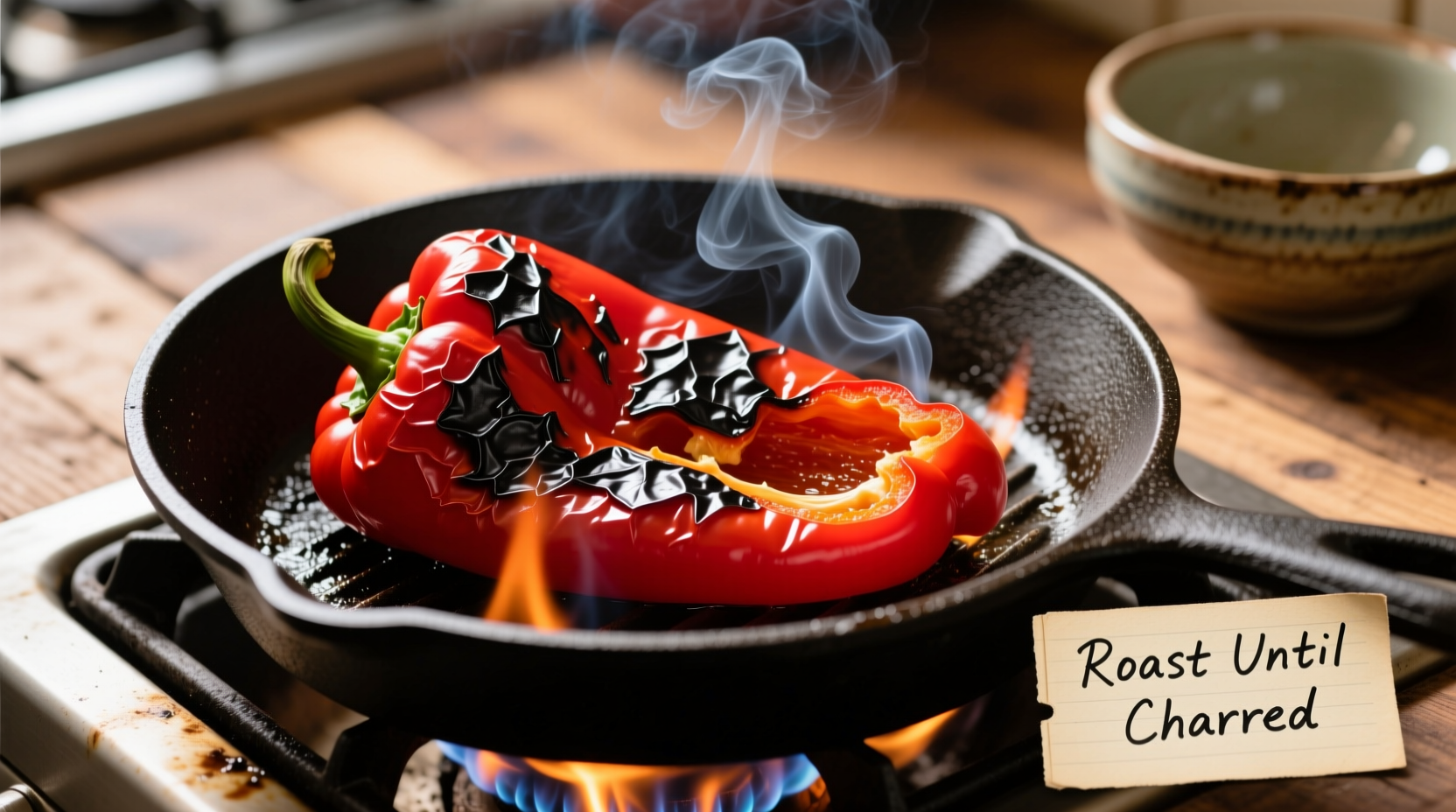
Master Roasting Peppers: Deepen Flavor for Dips & Salads
There's a magical transformation that occurs when you expose a vibrant, crisp bell pepper to high heat. What begins as a crunchy, slightly bitter, and refreshing raw vegetable evolves into a succulent, sweet, and deeply flavorful culinary gem. While raw peppers are undoubtedly delicious and packed with vitamins C and beta-carotene, roasting unlocks a new dimension of taste, making them irresistible for an endless array of dishes, from rich dips to refreshing salads.
If you've ever wondered how to roast peppers: 4 easy ways for irresistible flavor, you're in the right place. Whether you're dealing with an abundance from your garden or simply seeking to elevate your everyday meals, mastering the art of roasting peppers is a skill that will serve you well in the kitchen. We'll explore four distinct methods, ensuring you can achieve perfectly tender, sweet, and smoky roasted peppers no matter what equipment you have on hand.
Why Transform Your Peppers? The Magic of Roasting
The act of roasting is more than just cooking; it's a profound flavor enhancer. When peppers are subjected to intense heat, several wonderful things happen:
- Intensified Sweetness: The natural sugars within the pepper caramelize, creating a profound sweetness that isn't present in its raw form.
- Deepened Flavor Profile: Roasting brings out complex, savory notes and a subtle earthiness that complements their inherent sweetness.
- Smoky Aromatics: Depending on the method, particularly grilling or stovetop charring, peppers can acquire a delightful smokiness that adds incredible depth.
- Tender Texture: The crisp flesh softens to a silky, melt-in-your-mouth consistency, making them perfect for pureeing into dips or melting into sauces.
- Easy Peeling: The high heat causes the outer skin to blister and separate from the flesh, making it incredibly easy to remove, leaving behind the tender, flavorful meat of the pepper.
This transformation makes roasted peppers a versatile ingredient capable of elevating simple meals into extraordinary culinary experiences. All colors of bell peppers – red, yellow, orange, and even green – respond beautifully to roasting, each offering its unique sweet and sometimes slightly bitter nuances.
Essential Preparation: Getting Your Peppers Ready
Before any roasting begins, proper preparation ensures an easier process and better results. Regardless of the roasting method you choose, these initial steps are crucial:
- Wash Thoroughly: Rinse your peppers under cold running water to remove any dirt or debris.
- Core and Deseed: This step is critical for a pleasant eating experience.
- For Bell Peppers (and larger varieties): Place the pepper upright on a cutting board. Cut around the top, encircling the stem. Once cut, firmly grasp the stem and twist it. The core, along with most of the seeds, should come out cleanly.
- For Smaller Peppers (like romas or pointed varieties): Cut off the top where the stem is attached. Then, use a paring knife to carefully cut around the inside of the pepper, circling the core. Twist and pull out the core and seeds.
Pro Tip: After coring, if you suspect there are still a few stubborn seeds, hold the pepper with the cut-side down and tap it sharply a few times on your cutting board. Gravity will help dislodge most of the remaining seeds.
- Decide on Whole or Halved: Some methods work best with whole peppers, while others require them to be cut in half or even quartered. Make this decision based on your chosen roasting technique.
Four Masterful Methods: How to Roast Peppers
There's no single "best" way to roast peppers; the ideal method often depends on your equipment, the quantity of peppers, and the desired flavor profile. Here are four effective approaches:
Method 1: Roasting Whole Peppers in the Oven (Oil-Free)
This method is ideal for those who prefer to keep things simple, require minimal cleanup, and want a hands-off approach. It works wonderfully for developing deep, even charring.
- Preparation: Core and deseed your peppers, leaving them whole. Wash them thoroughly.
- Oven Setup: Preheat your oven to 200°C (400°F). Place a large, shallow baking pan filled with about an inch of water on the very bottom rack of your oven. This water creates steam, helping the peppers cook more evenly, preventing them from drying out, and conveniently catching any drips, keeping your oven clean.
- Roasting: Arrange the whole, prepared peppers directly on the oven rack above the water pan. Ensure they are not touching for even heat distribution.
- Time & Cues: Roast for approximately 30 to 40 minutes, or until the pepper skins are visibly blackened and blistered in spots, and the peppers themselves have softened considerably. Flip them halfway through if charring isn't even. For very small peppers, you might want to line the oven rack with parchment paper to prevent them from falling through.
Method 2: Roasting Halved Peppers in the Oven (with Oil)
Roasting peppers in halves with a touch of oil yields a beautifully browned, tender result with slightly less char than whole roasting, and it's excellent for incorporating seasoning directly.
- Preparation: Core and deseed your peppers, then cut them in half lengthwise.
- Seasoning: In a large bowl, toss the pepper halves with a drizzle of olive oil and a pinch of salt. You can also add black pepper, garlic powder, or dried herbs at this stage for extra flavor.
- Arrangement: Spread the seasoned pepper halves in a single layer on a baking sheet. Avoid overcrowding the pan; if necessary, use two baking sheets. Overcrowding will steam the peppers instead of roasting them, preventing proper browning.
- Oven Setup: Preheat your oven to 200°C (400°F).
- Time & Cues: Roast for about 25 to 35 minutes, turning them halfway through. The peppers are ready when they are tender, beautifully browned, and slightly caramelized at the edges.
Method 3: Mastering the Grill for Smoky Perfection
Grilling imparts a distinct smoky flavor that is unparalleled by other methods, making it perfect for summer cooking and adding an extra dimension to your roasted peppers.
- Preparation: Core and deseed your peppers, then cut them in half lengthwise. Toss them with a light coating of olive oil and a sprinkle of salt.
- Grill Setup: Preheat your grill (charcoal or gas) to a medium-high heat. If using gas, clean the grates well to prevent sticking. For charcoal, aim for a medium-hot zone.
- Roasting: Place the pepper halves directly on the hot grill grates, skin-side down first. Grill for 5-8 minutes per side, or until the skin is deeply charred and blistered, and the flesh has softened significantly. Use tongs to turn them as needed, aiming for even charring.
- Flavor Profile: This method delivers the most pronounced smoky notes, perfect for adding depth to dishes.
Method 4: Quick Stovetop Roasting in a Pan
When you need roasted peppers in a pinch or are only preparing a small batch, the stovetop method is your fastest option. A heavy-bottomed pan, especially cast iron, works best here.
- Preparation: Core and deseed your peppers. You can cut them into halves or quarters, or even leave small, thin-skinned peppers whole. A light toss with olive oil is optional but helps with charring and flavor.
- Pan Setup: Place a heavy-bottomed skillet (cast iron is ideal) over medium-high heat. Allow it to get quite hot. You can add a very small amount of oil to the pan, or roast dry.
- Roasting: Place the pepper pieces, skin-side down if halved, into the hot pan. Don't overcrowd. Allow them to cook undisturbed for several minutes until the skin begins to blacken and blister.
- Time & Cues: Use tongs to turn the peppers, rotating them until all sides are softened and charred. This usually takes 10-15 minutes total, depending on the pepper size and heat. The goal is dark charring and tender flesh.
The Final Touch: Peeling, Storage, and Culinary Inspiration
Post-Roasting Care: The Crucial Steaming Step
Once your peppers are roasted to perfection, the next critical step is to peel them. This is made incredibly easy by steaming them immediately after roasting:
- Steam: As soon as the peppers come off the heat (oven, grill, or stovetop), transfer them to a heatproof bowl. Immediately cover the bowl tightly with plastic wrap or a lid. The residual heat will create steam, which helps to loosen the skin from the flesh.
- Rest: Let the peppers steam for 10-15 minutes.
- Peel: Once cooled enough to handle, remove the peppers from the bowl. The skin should now slip off effortlessly. You can use your fingers or a small knife. Don't worry about getting every tiny speck of char off; a little bit adds to the flavor. Any remaining stem or seeds can be removed at this stage.
The result is beautifully tender, intensely flavorful roasted pepper flesh, ready for your culinary creations.
Storage Solutions
- Refrigeration: Place the peeled, roasted peppers in an airtight container. You can cover them with a layer of olive oil to keep them fresh and extend their shelf life for up to a week in the refrigerator. The infused oil itself will be delicious for cooking!
- Freezing: For longer storage, whole or chopped roasted peppers can be frozen. Arrange them in a single layer on a baking sheet and freeze until solid, then transfer to freezer-safe bags or containers. They will keep for several months.
Unleash the Flavor: Culinary Uses for Roasted Peppers
With a batch of perfectly roasted peppers on hand, your culinary options are virtually limitless:
- Dips & Spreads: The sweet, smoky flavor of roasted peppers is the star of many incredible dips. Think vibrant Romesco sauce, creamy red pepper hummus, or the rich Syrian dip Muhammara.
- Salads: Chop them and toss into pasta salads, quinoa bowls, or green salads for a burst of flavor and color. They pair wonderfully with feta, olives, and fresh herbs. To learn more about incorporating them, see our guide on Roast Peppers Perfectly: Oven, Grill, or Stove Top for Sweetness.
- Sauces & Soups: Blend them into tomato sauces for pasta, or use them as a base for a velvety roasted red pepper soup.
- Sandwiches & Wraps: Layer them into paninis, ciabatta sandwiches, or wraps for an instant gourmet upgrade.
- Side Dish: Simply dress them with a little extra olive oil, fresh garlic, and herbs for a simple yet elegant side dish.
- Pizza & Tarts: Add them as a topping for homemade pizzas, flatbreads, or savory tarts.
Tips for Roasting Success
- Don't Overcrowd: This is crucial for all oven and stovetop methods. Give your peppers space to breathe and brown; otherwise, they will steam instead of roast.
- Monitor Closely: Roasting times are guidelines. Ovens vary, and so do peppers. Keep an eye on them, especially towards the end, to prevent burning.
- Embrace the Char: A bit of blackening on the skin is not only desirable but essential for that deep, smoky flavor.
- Quality Matters: Start with fresh, firm, unblemished peppers for the best results.
- Salt and Oil: These aren't just for flavor; oil helps with browning and charring, while salt draws out moisture and enhances sweetness.
Mastering how to roast peppers is a culinary game-changer. It's a simple technique that unlocks incredible flavor, transforming a humble vegetable into a versatile ingredient that can elevate countless dishes. Whether you prefer the gentle heat of the oven, the intense char of the grill, or the quick sear of the stovetop, you now have the tools to create succulent, sweet, and deeply flavorful roasted peppers. Experiment with different colors and seasonings, and prepare to be amazed by the depth of flavor you can achieve. Happy roasting!
